
@PowerHome

Reliable power today is less about novelty and more about system design that works under real conditions. As a practical provider of solar energy systems, PowerHome focuses on delivering solar power hardware that engineers, installers, and system integrators can actually deploy with confidence. The product portfolio is built around functionality first, supporting both grid-tied and independent power architectures.
A common challenge for users exploring renewable power products is fragmentation. Panels come from one source, inverters from another, and control components often fail to integrate cleanly. Complete solar power solutions address this gap by combining photovoltaic components, protection devices, and intelligent control layers into scalable systems. This approach is particularly valuable for commercial facilities, agricultural sites, and infrastructure projects where downtime is costly and energy demand is variable.
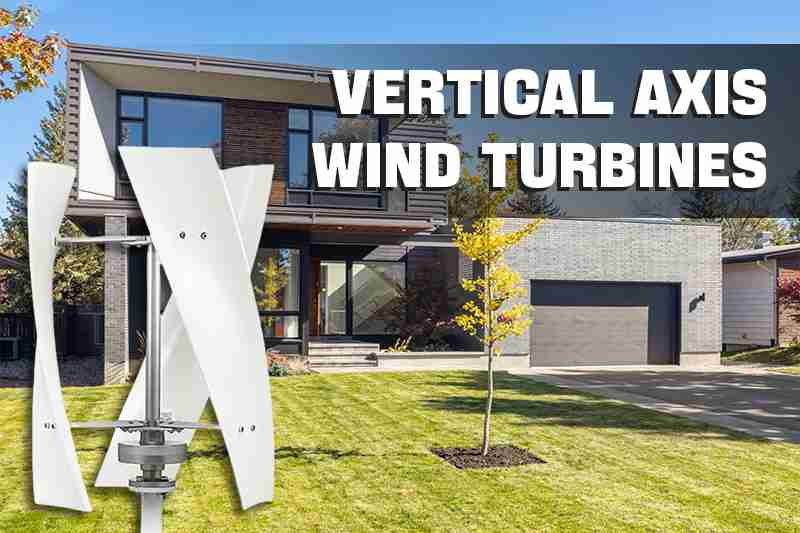
For remote or utility-limited locations, off grid solar kits offer a dependable alternative to diesel or unstable grid access. These kits typically include optimized solar inverter solutions, battery interfaces, and charge regulation designed to handle fluctuating loads. When paired with a reliable solar charge controller supplier, the system maintains efficiency even under partial shading or inconsistent weather conditions. In more demanding environments, solar + wind hybrid systems extend uptime by diversifying energy input, a strategy increasingly adopted for telecom towers and remote monitoring stations.
Industrial users often require more than basic conversion. Components such as DC-DC power converters and power inverters industrial are essential for matching voltage levels, stabilizing output, and protecting sensitive equipment. These elements are not optional add-ons; they are core to long-term system stability. Proper solar system engineering ensures that energy generation, storage, and consumption remain balanced across operating cycles.
Beyond hardware, practical solar installation support plays a key role in project success. Clear documentation, configuration guidance, and compatibility planning reduce commissioning errors and speed deployment. This is especially important as solar equipment supplier relationships move from transactional to technical partnerships.
For buyers evaluating solar power hardware, the real value lies in systems that scale, adapt, and endure. When renewable energy equipment is engineered as a complete ecosystem rather than isolated parts, it delivers predictable performance, lowers lifecycle costs, and supports long-term energy independence.



Crop your avatar